
Root Canal Treatment
Root canal treatment means cleaning inflamed or necrotic pulp tissue out of the tooth and filling the space. The purpose is singular: keeping the tooth. Done properly, a root-treated tooth functions for decades.
When it is needed
It is required when decay passes through enamel and dentine into the pulp, or when a tooth loses vitality after trauma. Typical signs: throbbing pain that worsens at night, lingering sensitivity to heat, pain on biting, swelling or a sinus tract on the gum.
Sometimes there are no symptoms at all. A dark area at the root tip on a radiograph — a chronic apical lesion — can progress painlessly. That is why routine check radiographs matter; a silent infection left untreated eventually costs the tooth.
Can it be done in one visit
In most cases yes. Rotary systems shape the canal faster and more evenly, and an electronic apex locator finds the root tip to within fractions of a millimetre without a radiograph. Single-rooted teeth typically take 45–60 minutes, molars 60–90.
Where infection is active, an abscess is present or the canal is severely curved, we spread it over two visits with an intracanal medicament in between. Retreatment — redoing a previously failed root canal — usually needs two visits.
The process
Periapical radiograph, vitality and percussion tests.
Local anaesthetic, then rubber dam isolation.
Canals are shaped with rotary files and irrigated.
Canals are filled three-dimensionally with gutta-percha.
The tooth is restored with a filling, endocrown or crown.
Related services
- Single / two / three canal treatment
- Treatment with periapical lesion
- Retreatment
- Endocrown + root canal package
- Apicoectomy
- Fibre post & post core
A treatment plan and its costing are prepared individually after examination.
Common questions
That reputation belongs to the condition, not the treatment. The pain comes from inflamed pulp, and root canal treatment removes it. The procedure is done under local anaesthetic, and with modern techniques most patients say it felt no different from having a filling.
On molars and premolars, largely yes. A root-treated tooth becomes brittle and posterior biting forces are high; a crown wraps it and prevents vertical fracture. On front teeth, where little structure has been lost, a composite restoration can be enough.
Mild tenderness on biting for the first few days is expected as the tissue at the root tip settles, and a painkiller usually covers it. Severe pain, swelling or fever should not be waited out — call us, as that picture may need further intervention.
Two routes. In retreatment the old filling material is removed and the canal cleaned and refilled, which resolves most cases. Where retreatment is not possible or has not worked, an apicoectomy removes the infected root tip surgically. Extraction is the last option.
Who performs this treatment
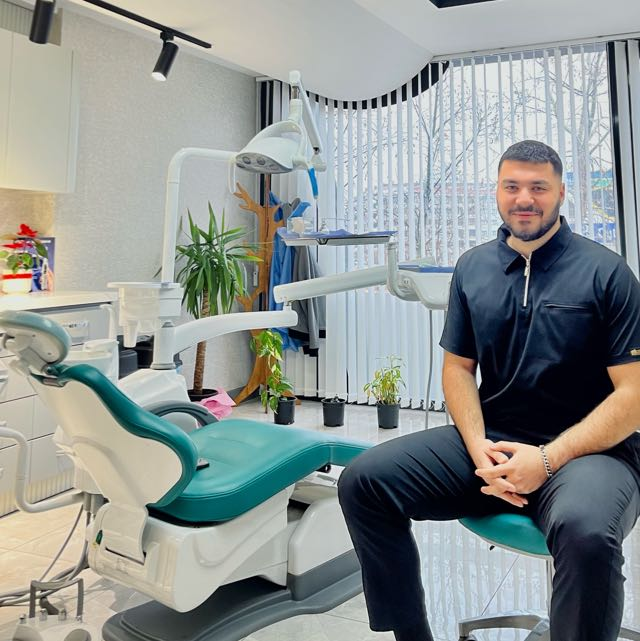
Dt. Han Demirci
Dentist · Aesthetic Dentistry & Implantology
- Digital smile design (DSD)
- Laminate veneers & zirconia
- Implantology
Dental Treatments
Gum Treatments
Bleeding gums, recession and loose teeth: periodontal therapy, curettage, flap surgery and grafts.
More →Dental TreatmentsImpacted Teeth & Oral Surgery
Wisdom teeth, impacted teeth, cysts and abscesses — planned with CBCT imaging.
More →Dental TreatmentsDentures & Prosthetics
Full dentures, partials and precision-attachment solutions that seat properly and stay in place.
More →Dental TreatmentsBruxism & TMJ
Clenching, night grinding, jaw clicking and morning headaches: night guards and masseter botox.
More →Reach us.
WhatsApp is fastest — during opening hours we usually reply within minutes.
- AddressIsırgan Sk, Akfen Apt, Kat 1, Daire 2, Belediye Blv, Gönyeli, Nicosia
- Phone0548 818 12 12
- Emailinfo@smilexpert.com.tr
- Opening hoursMonday – Saturday · 09:00 – 19:00