The longevity of every treatment you invest in at the clinic is largely determined by two minutes at home, twice a day. We have written up the routine we go through with patients at examination.
Morning
Saliva flow drops overnight and the mouth becomes a more hospitable place for bacteria. Morning brushing is therefore not only a question of fresh breath.
Fluoride toothpaste and a soft brush, for at least two minutes. Hold the brush at 45 degrees to the gum and sweep — scrubbing back and forth is among the commonest causes of recession. Cleaning the tongue afterwards makes a noticeable difference to breath on its own.
Do not brush immediately after breakfast. If you have eaten something acidic — orange juice, tomatoes — the enamel is temporarily softened, and waiting half an hour is the better course.
Evening
Evening care matters more, because salivary protection falls during sleep. The order is: floss or interdental brush first, then brushing.
The two surfaces cleaned by floss are exactly the ones a brush never reaches — and interproximal decay begins right there. If floss is difficult, interdental brushes or a water flosser work well. What matters is that those two surfaces get cleaned, not which tool does it.
An alcohol-free mouthwash is optional. Alcohol-containing rinses can dry the mouth and prove counterproductive in the long run.
Three common mistakes
The first is brushing hard. More pressure does not mean better cleaning; it means enamel wear and gum recession. Electric brushes with a pressure sensor help break the habit.
The second is keeping a brush too long. Splayed bristles cannot remove plaque — replace it every three months.
The third is treating bleeding as normal. Healthy gums do not bleed when brushed. Bleeding is the earliest sign of inflammation, and at that stage it is fully reversible.
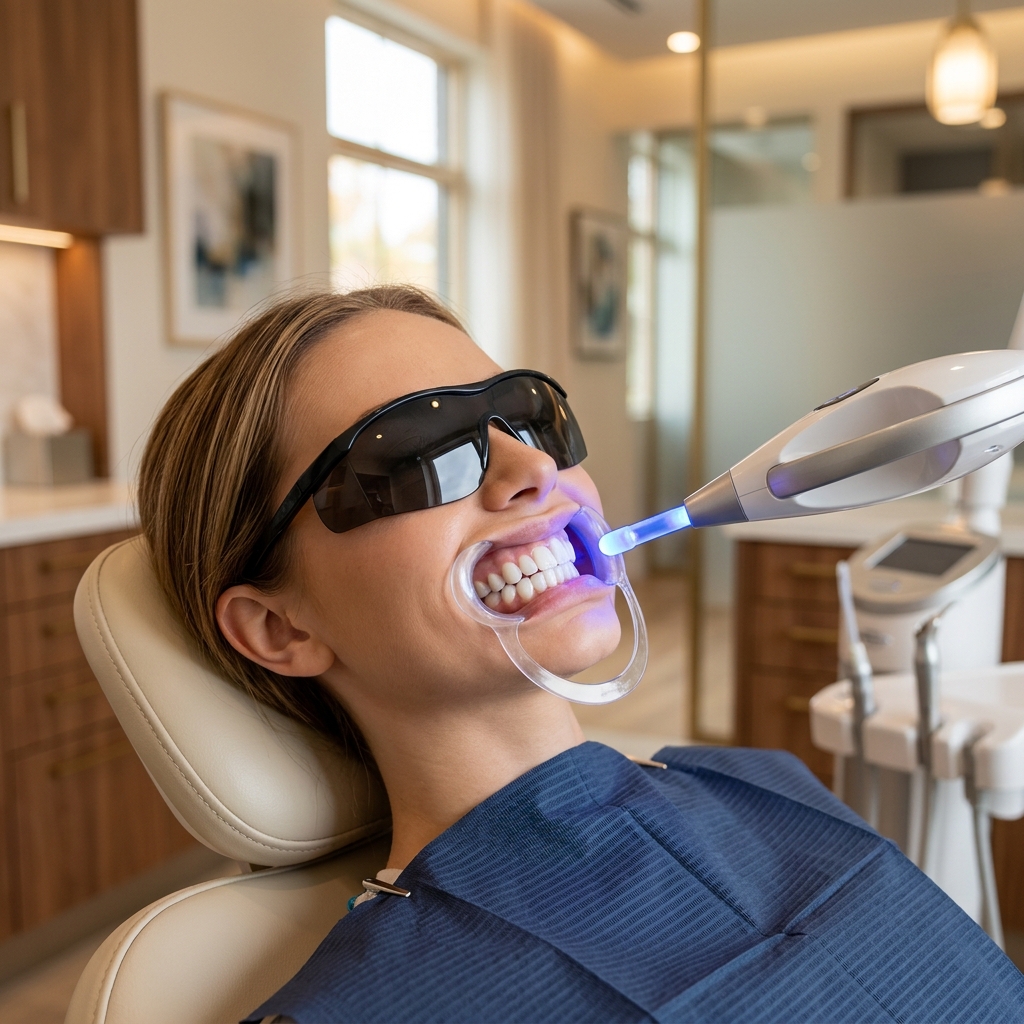
A six-monthly check and professional clean complete the routine at home. First examinations and reviews are free.